Tag Archives: rugby
Dare to Dream
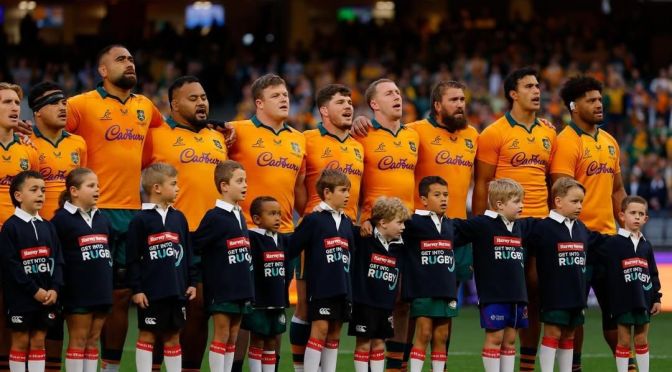
A win over the World Champion Springboks in Perth last weekend has ignited belief in our Wallabies, one year out from the Rugby World Cup on home soil. The Les Kiss era is well underway, and the smooth transition from Joe Schmidt is complete. And we can’t ignore the growth under Schmidt, unearthing 30-odd players in his tenure, but Kiss has the boys believing in themselves, which has contributed to his unbeaten run.
The big omition under Schmidt was Lukhan Salakai-Loto, who Kiss reinstated as soon as he took over. Voted in the best Super Rugby Pacific team, Salakai-Loto’s performance in the Wallaby jersey has been immence. Why he was overlooked for the British and Irish Lions tests was unbeilivable.
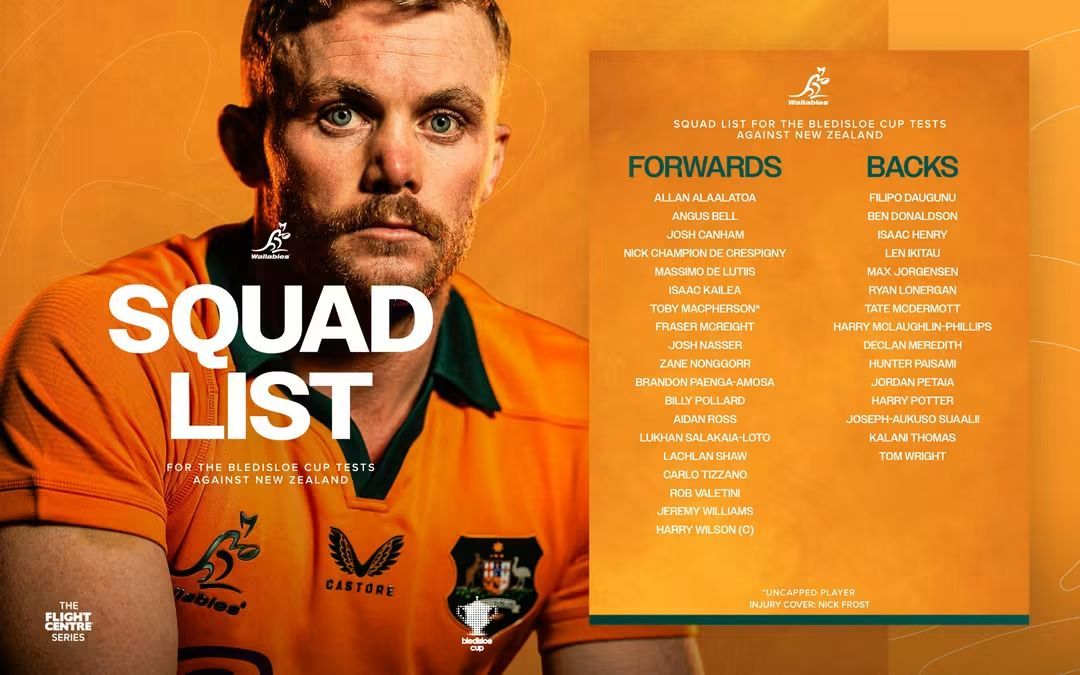
Our focus has now turned to our greatest rivalry, the Bledisloe Cup. On October 10th, we head to Eden Park to try to overturn 40 years of history and finally beat the All Blacks on their favourite playground. The squad assembled has some great additions in Jordan Petai’a and Nick Champion de Crespigny.
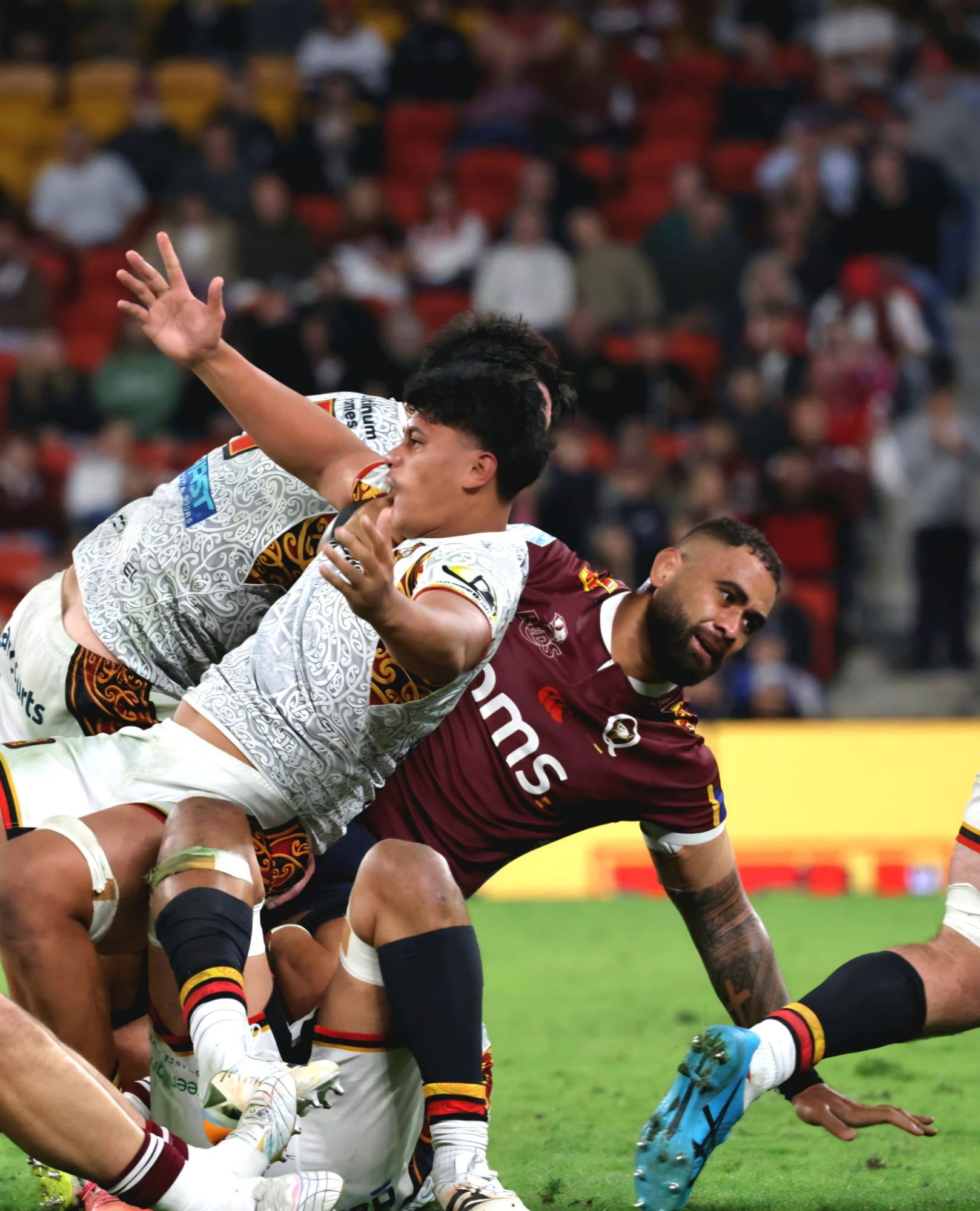
Initially added to the squad for Perth, de Crespigny and Petai’a are exciting prospects for building depth. Champion de Crespigny was the standout when the Western Force dismantled the Reds at Suncorp Stadium in Super Rugby Pacific. Kiss coached the Reds when de Crespigny captained the Force to an historic 42-19 victory. It is why the next Wallaby coach has to come from Super Rugby.
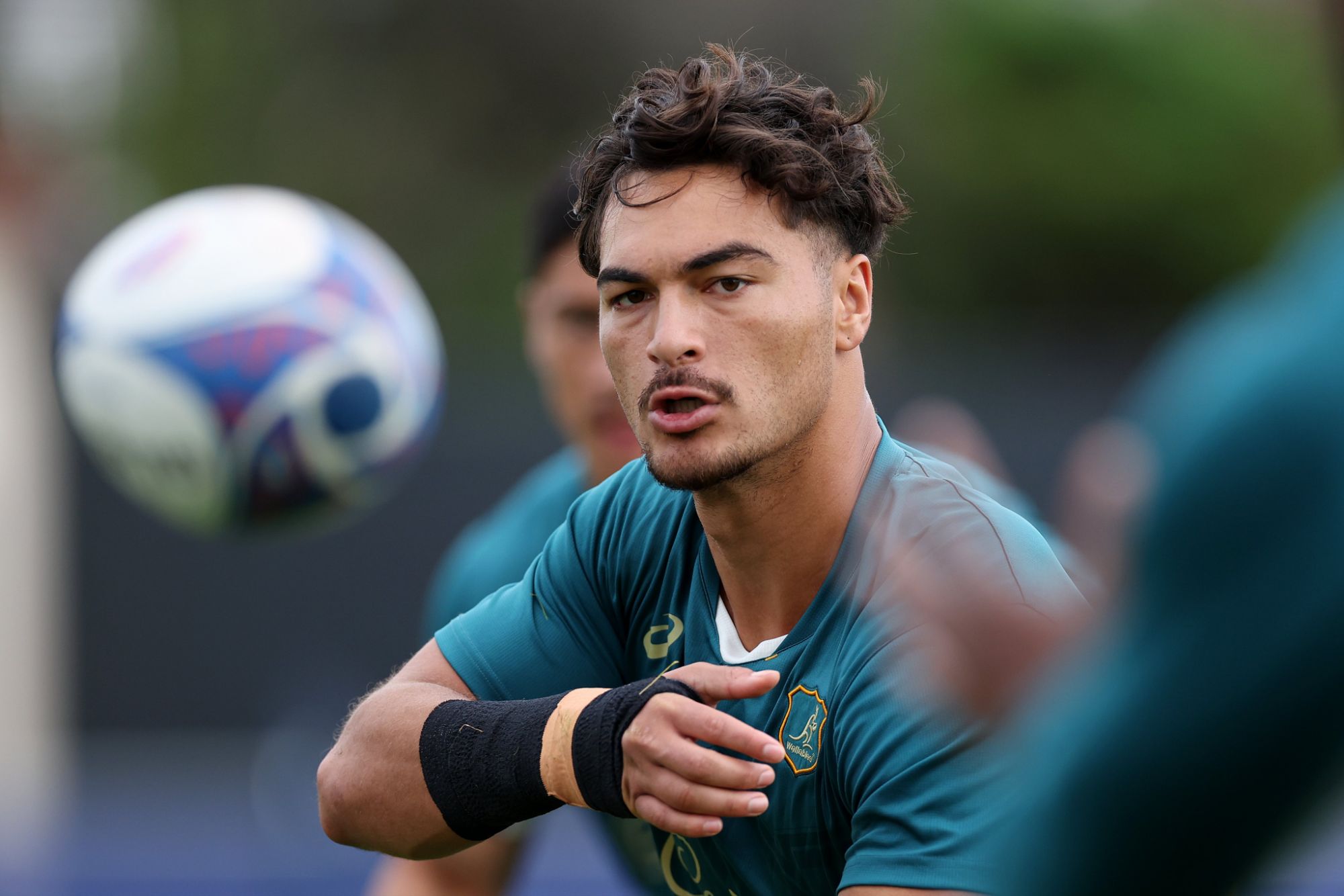
Petai’a was coached by Kiss at the Reds when he took over from Brad Thorne, but later pursued his NFL dream. Coming back to rugby via the French system, his talent is well known to Kiss.
Kiss of Life
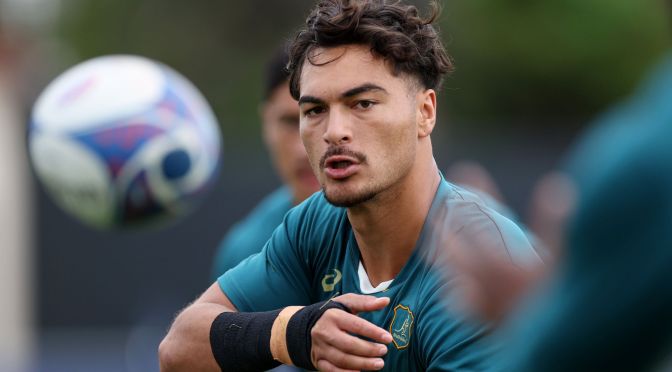
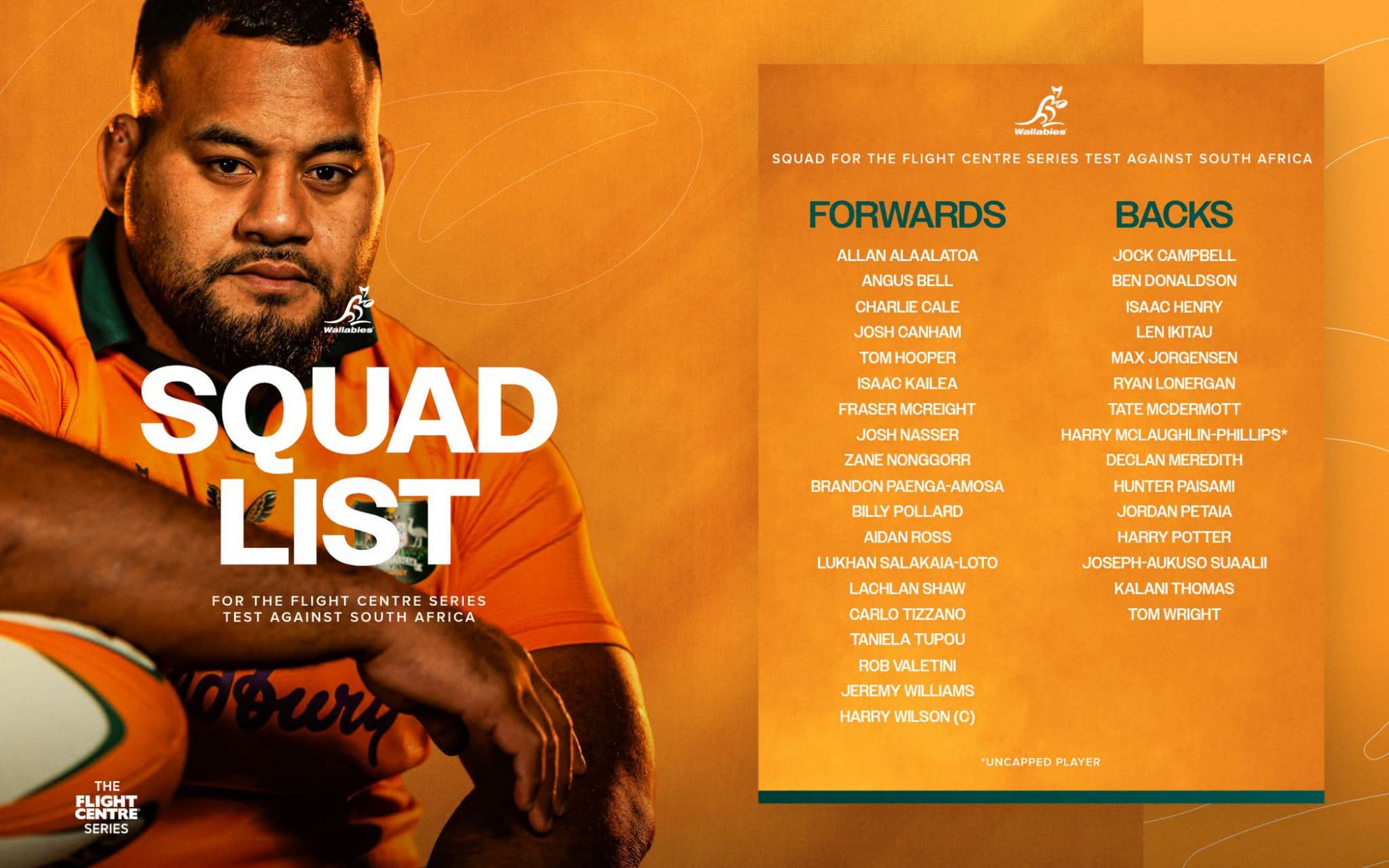
It’s why Stephen Larkham should be the next Wallabies coach. Developing players through Super Rugby gives you intimate knowledge of what they offer the Wallabies setup. Dropping someone like Eddie Jones into the role, without insight into up-and-coming players, was a bridge too far that proved disastrous for our chances at the Rugby World Cup 2023 in France. Two names on Les Kiss’ list for the Springboks’ Test in Perth, Jordan Petaia and Harry McLaughlin-Phillips, are additions to the squad; both seasoned Queensland Reds players whom Kiss has coached.
HMP has not been cooling his heels with a XXXX; he was the best on field in a losing Wests side against Brothers, 51-14, at Ballymore in the Hospital Cup GF last month, and he orchestrated a come-from-behind victory with the Western Force over Queensland, 29-28, last weekend at the same venue to show that, despite being small in stature, he’s a force to be reckoned with.
The real excitement package is Brisbanerugby’s favourite son, Jordan Petaia. He debuted at RWC 2019 in Japan as a 19-year-old and was destined for a long Wallabies career until his dream of playing American Football (Gridiron) drew him away. He had Kiss’ blessing to pursue that dream, and now he calls him back under the Wallabies tent before he heads off to “The Land of the Rising Sun” to play for Urayasu D-Rocks in the Japan League One competition. Kiss said:
“He’s been out of the Australian system for a while, but it was important that we broaden our understanding of what’s available and how they’re looking.
“There are a lot of good back three in our country at the moment that are playing here.
“That’s what the importance of Super AU is for us, so we can look at these players and see them in action and keep a good eye on them. Jordan being a bit further away, being in France recently, we just felt it was the opportunity to bring him in and have a good look at him.
“Positionally, we know he’s covered wing, 15 and 13 in the past, so once he hits the ground with us, we’ll have a good look at it, but it’ll be definitely in one of those positions. Likely a back-three position, I’d say, at this stage.”
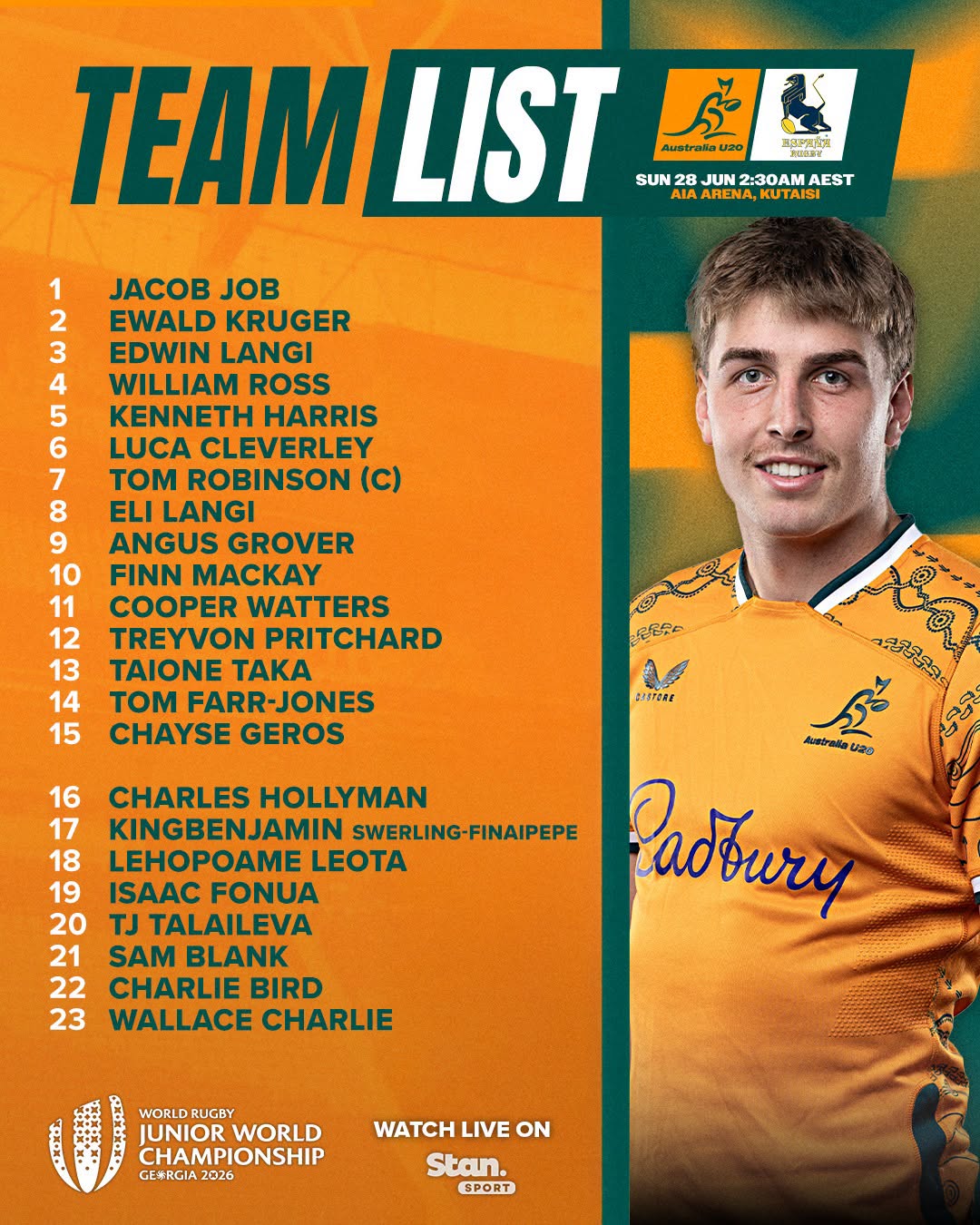
The poisoned chalice at No. 10 may not be such a curse, as some exciting five-eighths are coming through the ranks at the Queensland nursery. Finn Mackay, who starred at the recent U20s championships in Georgia, already having a Reds contract, and the St. Joseph’s Nudgee College Chilli Smith, son of Wallaby halfback the recently passed Brian Smith, carved it up in the Brisbane GPS competition, winning a fourth consecutive Premiership last weekend. And don’t forget Tom Lynagh, who was effective in driving his Queensland Reds side to a 21-12 halftime lead in his 40-minute cameo at Ballymore at the weekend.
A Perfect Season
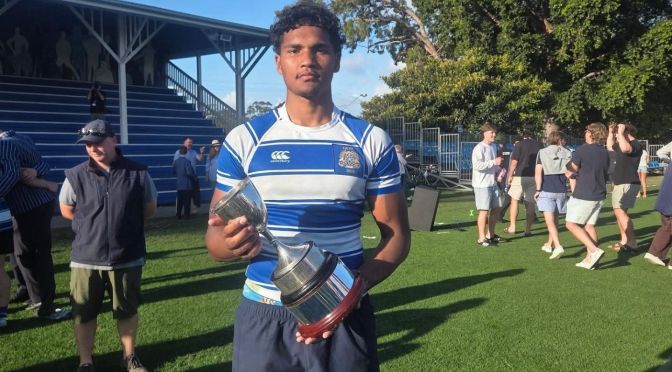
After taking down the South African schools’ champion side, Grey College, 29-26 in Johannesburg on their pre-season tour, this Nudgee College cohort has shown the world why they are the best rugby nursery on the planet. A fifth GPS Premiership title, four outright in a row, taking the College’s aggregate to 47. From the opening round to the last, we have been entertained by scintillating rugby all season and why St Joseph’s College, Nudgee are such a powerhouse in Brisbane rugby.
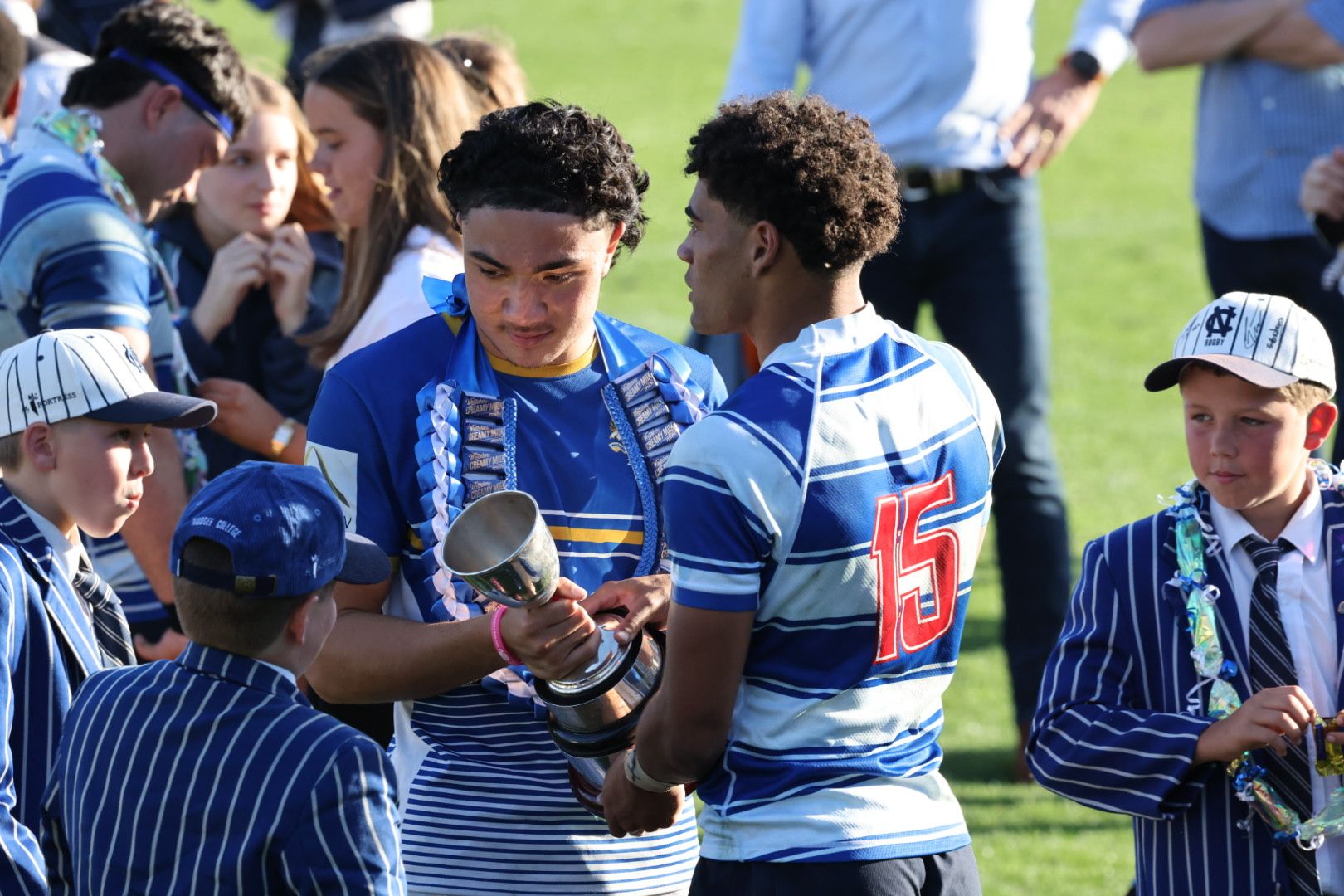
Fittingly, the two best schoolboy sides met in the final match, with runners-up BBC losing 24-31 in front of a massive crowd of close to 10,000. Nudgee No. 10, Chilli Smith, directed his team around the paddock all afternoon, as he has done throughout the season, which would have made his late father, Wallaby half-back Brian Smith, proud.
“I do everything for him. he is my idol, no matter where he is”, Smith said. “He (father Brian) had such a great life and career, and I’m going to follow in that (legacy)”. Chilli is off to New Zealand with the Australian U18s side, and we wish him all the best.
No Llores Por Mí Argentina (Don’t Cry for Me Argentina)
No tour of the South American country is an easy task, and to come away with a trophy is exceptional for Les Kiss’ men. Talking after the match, Kiss was very positive about the 28-all draw.
“Securing that trophy is definitely one of the things that we came here to do. Talking to the lads, very pleased that that part of the equation was on point. We probably took control of patches of that game that put ourselves in a good position to win it.”
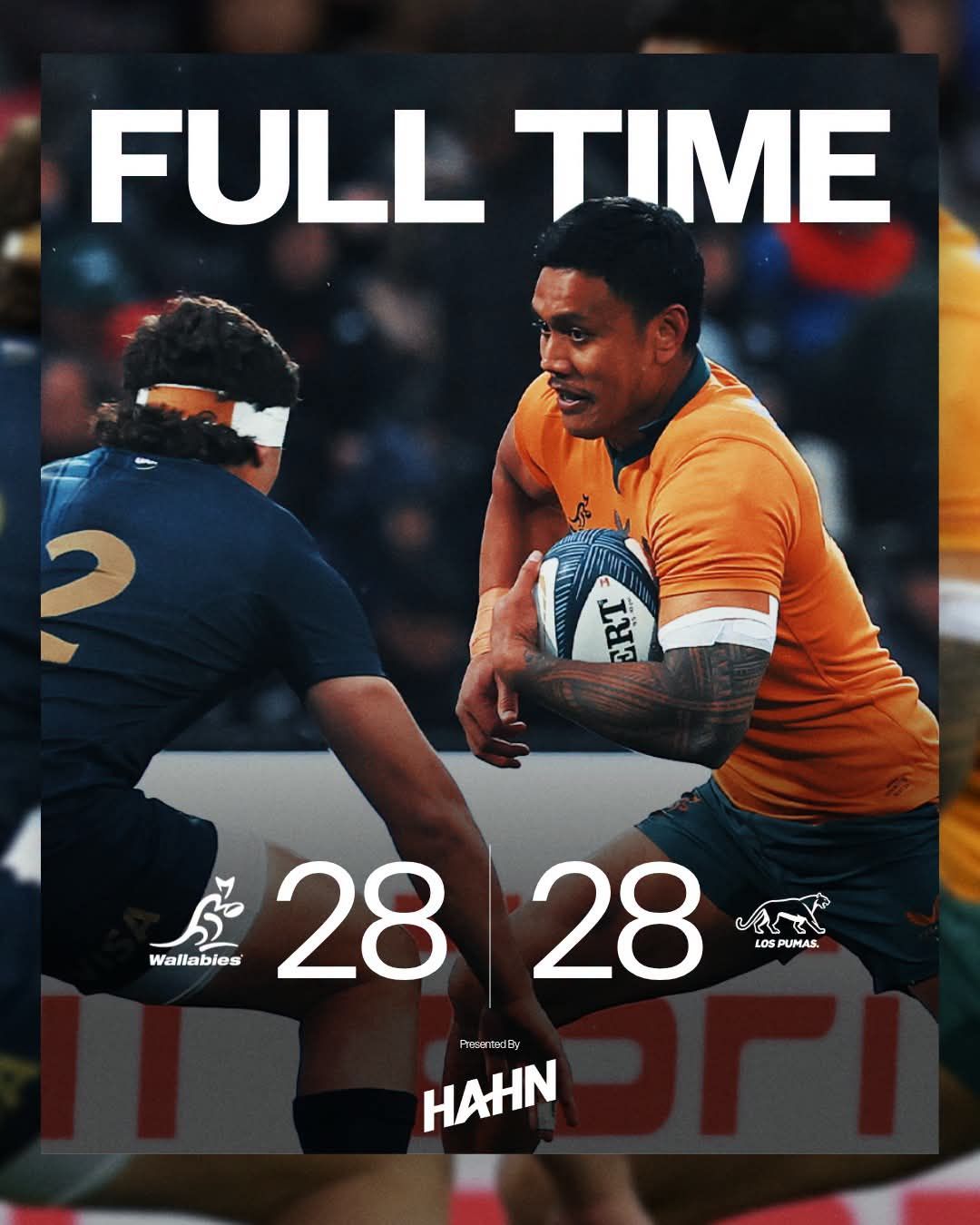
It is the rematch of the series in Argentina that proved the Wallabies’ Achilles’ heel in 2024, when they endured a record-breaking 67-27 loss to Los Pumas in Santa Fe. That would have been at the forefront of Kiss’ mind going into this fixture.
After Luco Cinti Luna and Santiago Carreras were sent to the bin, the Wallabies couldn’t capitalise to finish the series with a clean sweep. Four tries apiece couldn’t separate the two, and it was only the fourth draw between these two nations.
“In the end, they (Argentina) managed to hold that ball for a long period of time. Fair play to them on their turf“
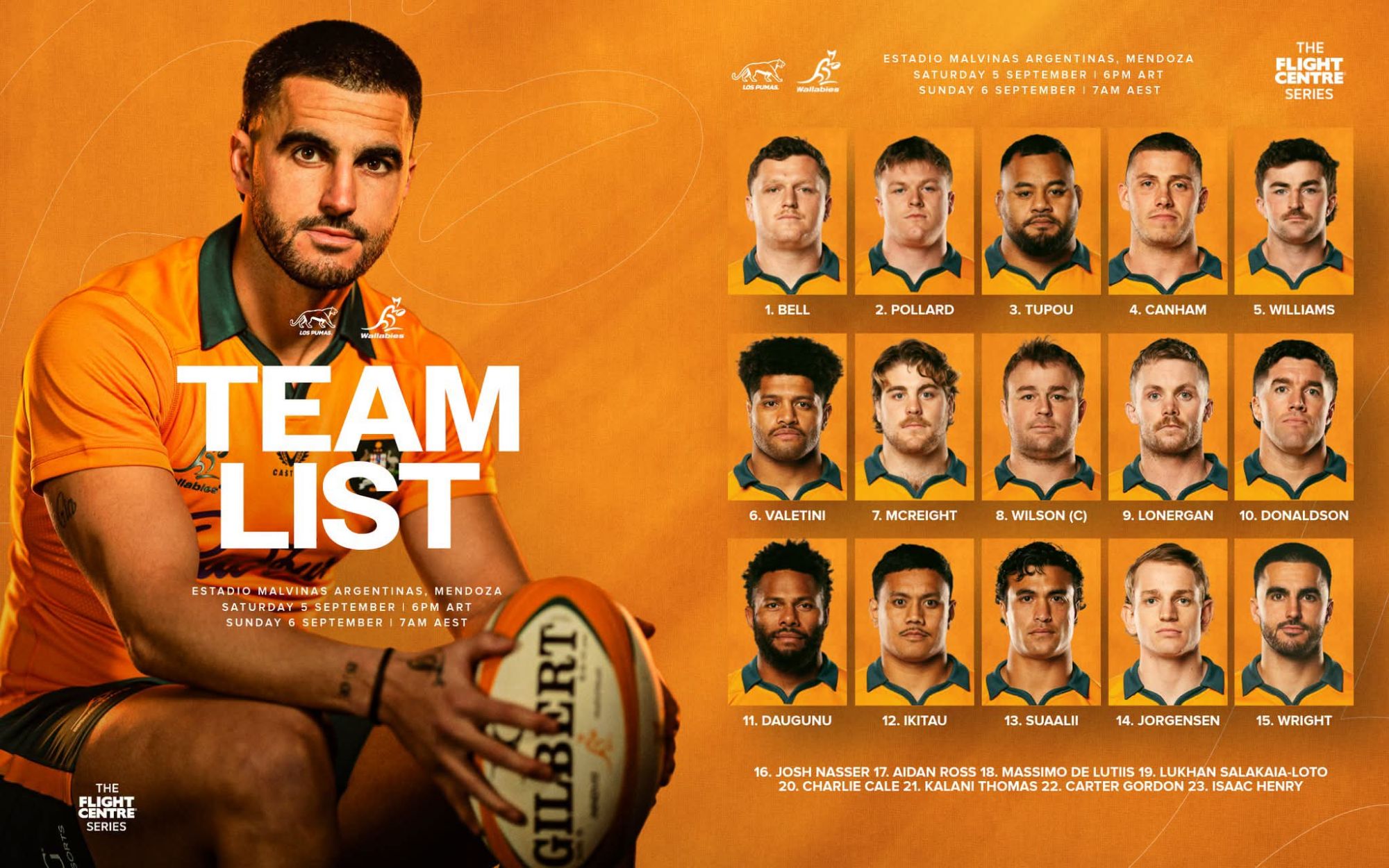
Great depth and combinations have formed over the last four matches under Kiss, and in three weeks, the Wallabies take on the World Champion Springboks in Perth, and they will need to stay “robust and resilient” to keep Kiss’ unbeaten record intact.

Finals Week Has Arrived
The season conclusion of the Sumo Hospital Cup is upon us as Brothers take on Wests in the big dance at Ballymore.
After A thrilling Preliminary Final at Sunnybank Rugby Club where Wests toppled Norths 43-20, the stage is set for an inticing final against minor premiers Brothers.
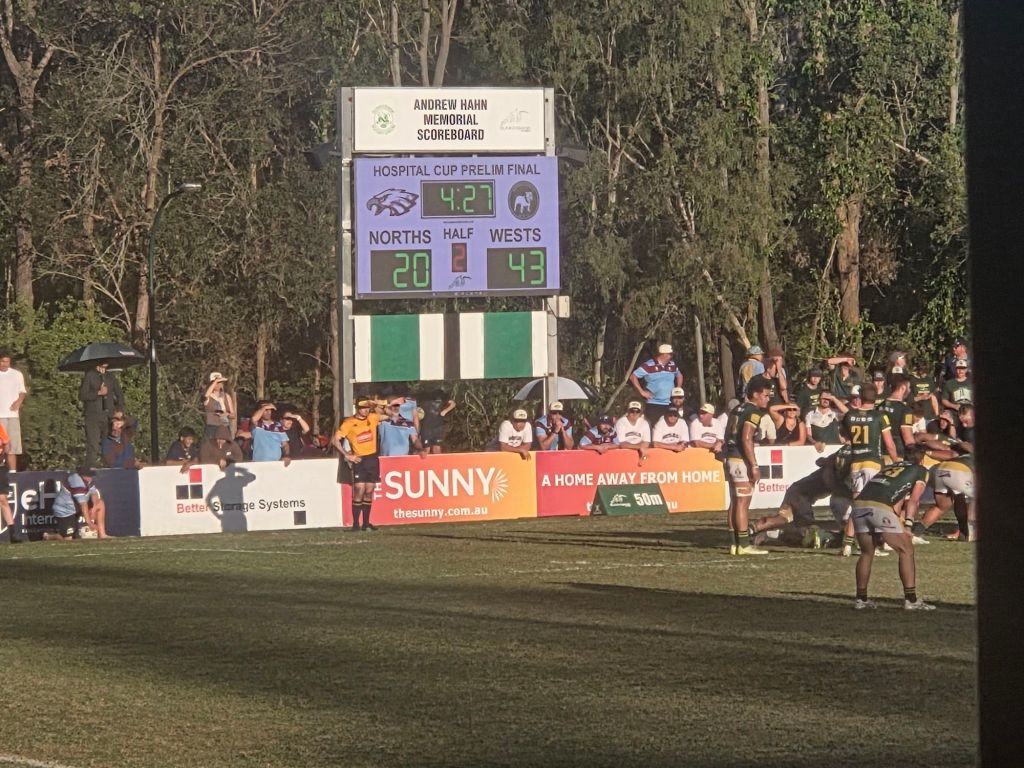
Wests’ halves have real star power in Japanese League One halfback Yoshiki Yoshioka and Queensland Reds’ five-eighth Harry McLaughlin-Philips, feeding their Fijian centres, a class act. Brothers, led by Will Wilson (brother of Wallabies Captain Harry Wilson), went through the season undefeated until their last match at St Lucia against UQ Red Heavies, where a masterclass by Mac Grealy disrupted what looked like them breaking the 110+ years’ record of being undefeated in the Hospital Cup championship,


Nudge, Nudge, Blink, Blink
On a sultry August afternoon in Brisbane’s northern suburbs, at the Behemoth of Christian Brothers St Joseph’s Nudgee College, the Round 6 clash between the undefeated Nudgee and Brisbane State High took place. BSHS students cheered their 1st XV side as they made their way onto the hallowed Ross Oval, only to be drowned out by over 130 years of history as the boarders, in school uniform, bellowed in unison from the old boys’ stand. This was their turf.
The excitement and anticipation didn’t dissipate after the kick-off as these two GPS powerhouses went toe-to-toe from the outset. Nudgee dominated with wave after wave of attack, only for the students south of the River to thwart them. These were only boys, but they played like men, throwing their teenage bodies at each other like young bulls in a pen. The deadlock was broken in the 10th minute with a well-constructed snipe down the blindside to put the butcher-stripes in for their first 5-pointer.
The only government-run school in this premier GPS competition wasn’t about to let the Catholics have their way and forced their way back with two converted tries of their own. They held onto this 14-7 lead almost to the end of the first half, when Nudgee scored from a lineout to claw back the margin on the stroke of halftime to trail 14-12.
The second half was a masterclass by the Nudgee 1st XV, as they have done all season; they ran away with sustained attack, scoring a plethora of tries through controlled kicking by their five-eighth, Chilli Smith (son of the recently departed Brian Smith) and strong running from inside-centre Bond Bradley. BSHS Coach, Stevie Kefu, proved his boys were not walkovers and stayed in the fight to the death with late tries of their own, but with a 43rd Premiership beckoning, the greatest rugby nursery of all time held firm to win 41-26. Nudgee coach Andrew Scotney can be proud of his chargers, who have reached another level since their preseason tour to South Africa, where they toppled SA schools champions Grey College 29-26 in Johannesburg.

Kiss of Death
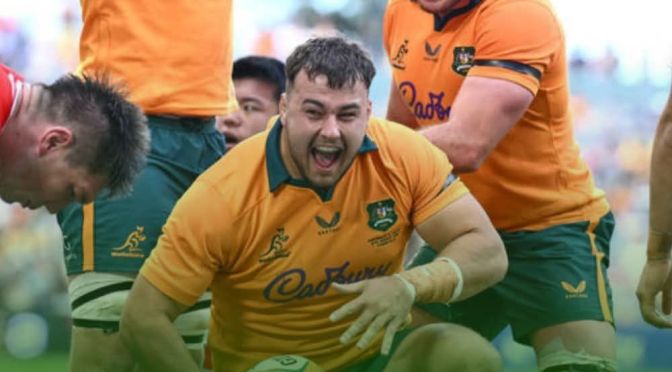
Bouyed by his team’s narrow 35-32 loss the week before in Osaka, Eddie Jones was talking up a Wallaby takedown in their backyard. Especially since they will likely take on the Wallabies in the Round of 16 in Brisbane at next year’s Rugby World Cup in Australia. If anyone can do it, it would be Jones, having shocked the rugby world at the 2015 Rugby World Cup by defeating the might of South Africa 34-32 at the death in the Miracle in Brighton. However, in Townsville, a happy hunting ground for the Wallabies, it was not to be as Les Kiss’ men turned on the blowtorch for the second half to blitz the Brave Blossoms with 35 unanswered points to take the match 56-17.
The Brave Blossoms are not that easy a side as when the All Blacks thrashed them 145-7 at the 1995 Rugby World Cup in South Africa or the 91-3 defeat by the Wallabies in Lyon at the 2007 Rugby World Cup. They had their Miracle in Brighton win and backed it up at home in the 2019 World Cup, topping their pool by beating Ireland (19-12) and Scotland (28-21) along the way. Fast forward to 2026, and Eddie Jones, back at the helm, has plucked a young 21-year-old out of Meiji University, Ryunosuke Ito, without any professional rugby to play five-eighth against a resurgent Italian side, coming off wins over Scotland and England at this year’s Six Nations Championship, to play at Tokyo’s iconic Chichibu-no-Miya Stadium. It was a full house on a sunny 4th of July day in Tokyo’s Shinjuku Ward, where the Brave Blossoms delivered an emphatic 27-10 win. Our own Nic Berry was blowing the whistle that day.
So, the two matches against Japan, although ranked 4 places below us, were always going to be tricky for a new coach. Les Kiss wasn’t inventing the wheel and wasn’t about to make drastic changes to the side Joe Schmidt had assembled. As Ryan Lonergan said, it was more about “Evolution, not revolution”. The three-point victory at Osaka’s Hanazono Stadium in the oppressive heat and humidity was a lucky escape to notch his first win for the Wallabies.
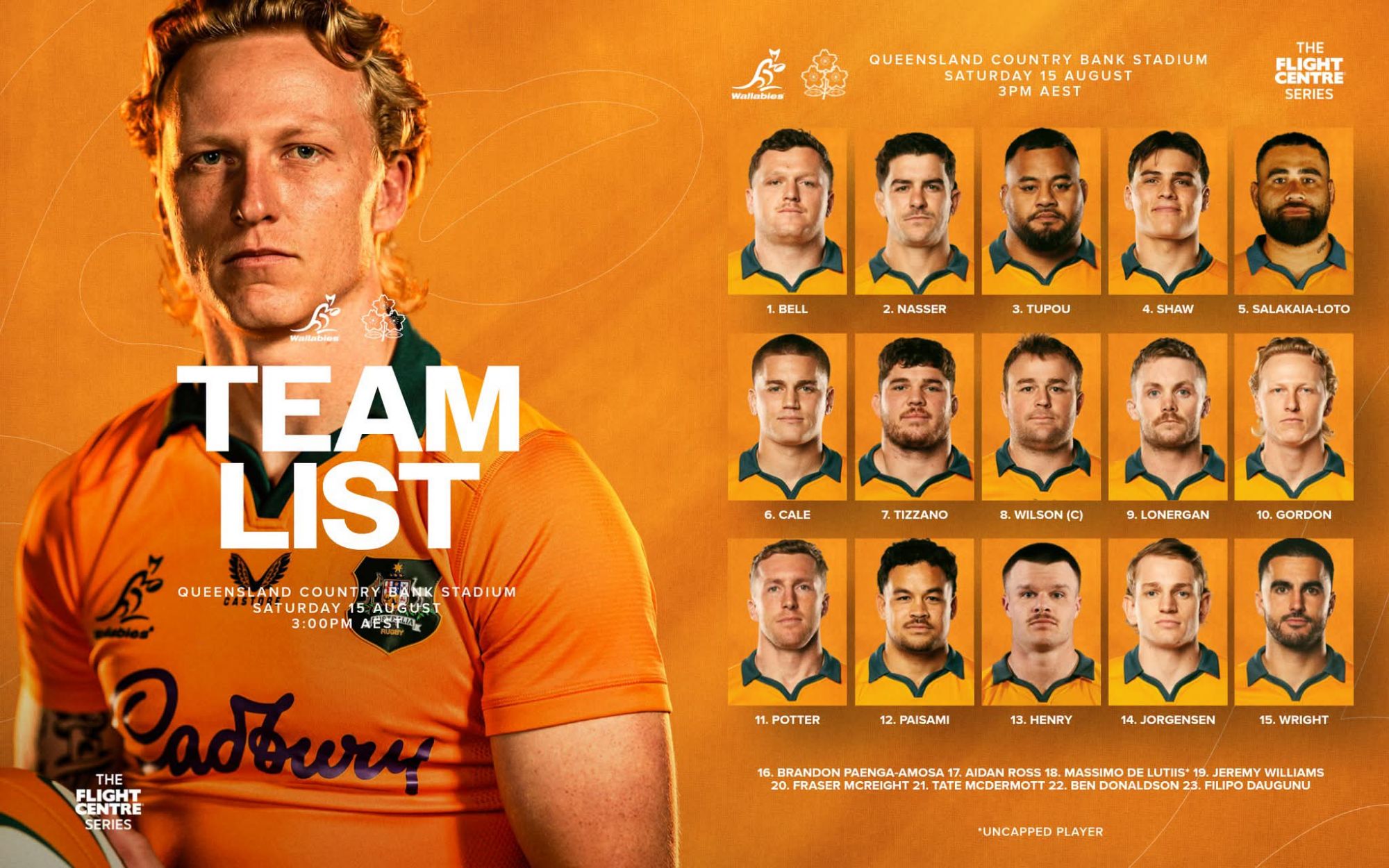
With the shackles now removed, Kiss finally picked a team more to his liking, upsetting Waratah supporters with a strong Reds flavour, with 11 in the match 23. The return of Lukhan Salakai-Loto, arguably the best Aussie performer in Super Rugby Pacific, alongside Isaac Henry pairing with Hunter Paisami and Carter Gordon in the midfield just seemed so natural. Kiss had nurtured these boys’ injuries at the Reds during his tenure over the last three years and knew intimately how much they had trained and rehabilitated. That faith was repaid in spades at Country Bank Stadium last weekend, and now a more confident squad embarks on their South American tour for two matches against a very formidable foe in Argentina, just ahead of the Wallabies in the latest world rankings.

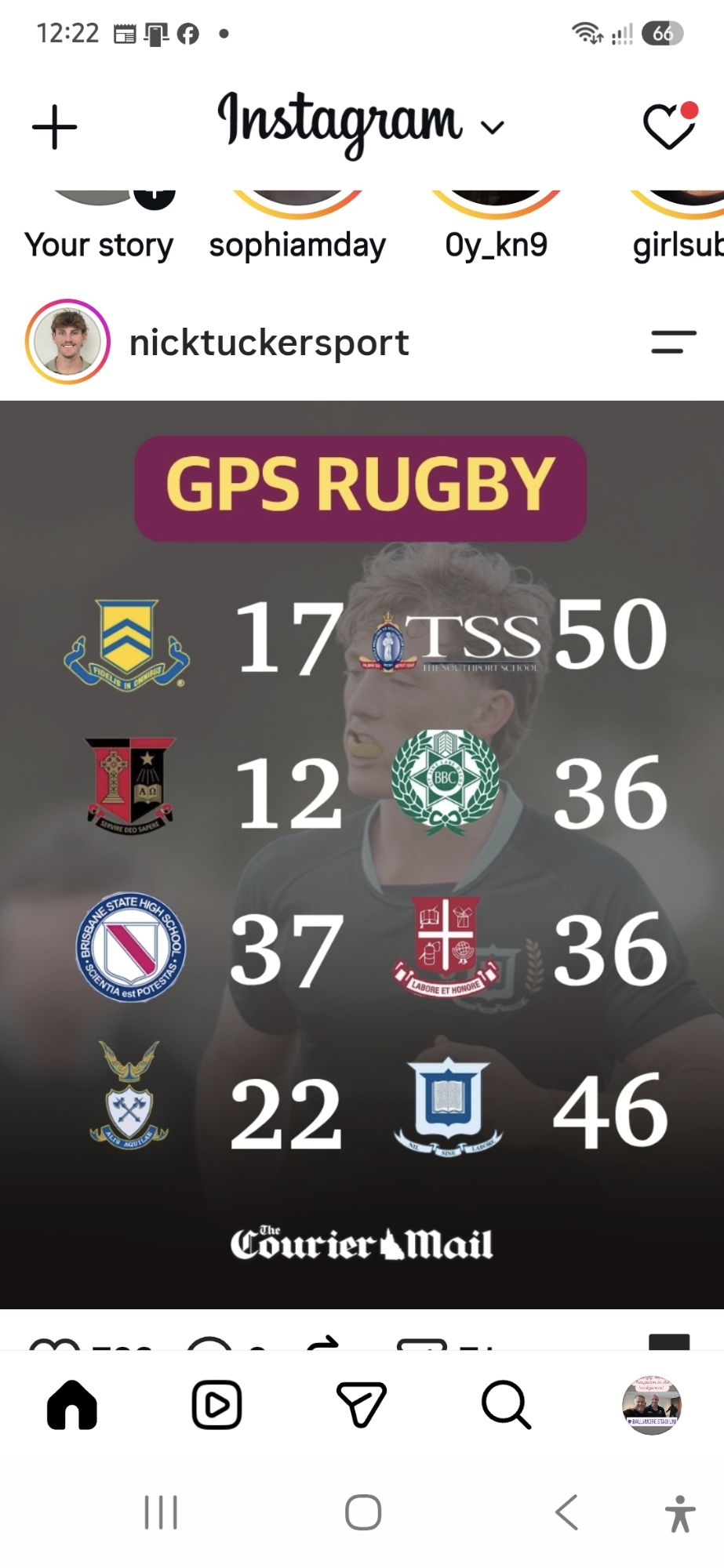
GPS Round 4 2026
Toowoomba Grammar 17 defeated by TSS 50
Terrace 12 defeated by BBC 36
State High 37 defeated Ipswich Grammar 36
Churchie 22 defeated by Brisbane Grammar 46

Japan Produces Good Halfbacks
I’m sure everyone remembers the infectious Brave Blossoms’ halfback Fumiaki Tanaka. The little general made his mark on Super Rugby for the Highlanders with his speed and crisp service from behind the ruck. He was not a university prospect, but joined the Panasonic Wild Knights in 2007, where he played alongside Tony Brown, who was instrumental in bringing him to the ‘Landers (Wikipedia). At 166cm and 72 kg, he’s one of the smallest players to play international rugby, but a very inspirational one.
In Brisbane, there’s a young 20-year-old student, Risa Hayashi, playing halfback for the UQ women’s team. A fiery young prospect making her mark on the competition. I caught up with her earlier in the season at Jeeps ‘ home ground at Yoku Road, Ashgrove. Originally born in Dubai, her mum is from Kanagawa, next to Tokyo, and her father is from Osaka. She has prospects of playing in Japan.
Hayashi is not a trailblazer, though, as that honour goes to Asako “Diji” Ono. Ono also played for UQ Women’s, then went on to represent the Reds and Wallaroos at halfback. Originally, coming to Australia as a young, naive 16-year-old student chasing her dream to play rugby, she now mentors other women to better themselves. Currently teaching at Churchie, where one of her Mathematics students, Rio Shimizu, is also from Japan and is a halfback for the 1st XV team.


